Celesty Font: Elevating Handmade Labels & Prints
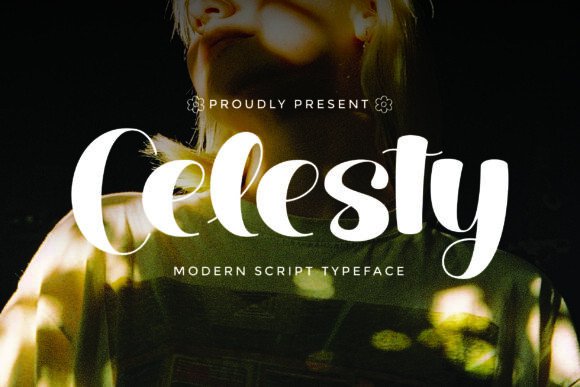
The glow of the desk lamp was the only light in my studio last Tuesday as I stared at a blank candle label template. The soy wax had cured perfectly, and the vessel was exactly the matte ceramic finish I wanted, but the typography felt flat. I needed something that whispered "luxury" without screaming for attention. That is when I loaded Celesty into my design software. As soon as I typed out the scent name, "Vanilla & Amber," the smooth curves and bold elegance of this modern script typeface transformed a simple sticker into a premium brand experience. For makers and handmade sellers, finding a font that bridges the gap between contemporary trends and timeless charm is often the missing piece in product presentation.
Bringing Warmth to Product Packaging and Labels
In the world of handmade goods, packaging is the first physical touchpoint a customer has with your brand. Whether you are selling artisanal soaps, boutique candles, or small-batch jams, the label sets the expectation for quality. Celesty shines in these moments because its flowing strokes possess an organic rhythm that mimics high-end hand lettering. When designing for curved surfaces like jars or bottles, the graceful contrasts in the letterforms ensure the text remains legible even when wrapped around a container.
I recently used this typeface for a line of seasonal gift tags. The artistic presence of the font allowed me to keep the rest of the tag minimalist. Instead of cluttering the design with illustrations, the script itself became the decoration. This is particularly useful for crafters using Cricut or Silhouette machines; the bold weight of Celesty cuts cleanly on vinyl and cardstock without losing delicate details. However, it is vital to test your cut settings. While the font is robust, intricate swashes may require a slower blade speed or a lighter grip mat to prevent tearing on smaller sticker sizes.
Designing Wedding Stationery and Invitations
Wedding stationery requires a delicate balance of readability and romance. As a printable creator, I often struggle to find script fonts that look elegant on screen but don't turn into illegible scribbles when printed on textured linen paper. Celesty offers a solution through its thoughtful construction. The connections between letters are fluid yet distinct, making it an excellent choice for names, dates, and short phrases on welcome signs or place cards.
When designing invitation suites, consider how this display font interacts with negative space. It commands attention, so it works best when given room to breathe. Pairing Celesty with a clean sans serif font for the logistical details creates a beautiful hierarchy. The script draws the eye to the couple’s names, while the supporting text ensures guests can easily read the time and venue. This combination not only improves the user experience but also elevates the perceived value of the digital download or physical print.
Practical Tips for Readability and Hierarchy
While Celesty is undeniably beautiful, it is primarily a display typeface. Understanding its limitations is just as important as appreciating its strengths. Here are practical considerations for incorporating it into your creative workflow:
- Avoid Long Paragraphs: Script fonts are designed for impact, not endurance. Use Celesty for titles, headers, signatures, and short decorative phrases. For body copy, always revert to a simple serif or sans serif font to maintain accessibility.
- Mind the Swashes: Many premium fonts include alternate characters and extended swashes. These are gorgeous for large-format signs or wall art but can overwhelm small product labels. Check your OpenType features to toggle these alternates based on the canvas size.
- Contrast is Key: Because Celesty has bold elegance, it pairs exceptionally well with thin, lightweight supporting fonts. Avoid pairing it with another heavy script, as this creates visual competition and reduces legibility.
- Test Before Mass Production: Always print a physical proof before cutting 500 stickers or printing a full run of greeting cards. Screen resolution often hides spacing issues that become apparent on paper.
Creating Digital Printables and Wall Art
For Etsy sellers focusing on digital downloads, typography is the product itself. When creating printable wall art or planner covers, the font must carry the entire emotional weight of the design. Celesty’s modern typography style fits seamlessly into current home decor trends, ranging from boho chic to minimalist farmhouse. Its versatility allows it to feel at home on a nursery quote print just as easily as on a sophisticated kitchen menu board.
When listing these items, your mockup images serve as the primary sales tool. Using Celesty in your listing graphics helps establish immediate brand consistency. If customers see the font rendered beautifully in your preview, they trust that the file they purchase will yield similar results. Remember to mention in your product descriptions that the font is optimized for both digital viewing and high-resolution printing, addressing a common buyer concern regarding crisp edges and smooth curves.
Merchandise and Apparel Considerations
Expanding beyond paper products, Celesty translates surprisingly well to merchandise like tote bags, t-shirts, and mugs. The boldness of the strokes ensures the design remains visible from a distance, which is crucial for apparel. When designing for fabric, consider the printing method. For screen printing, the solid lines of this typeface hold ink well. For heat transfer vinyl (HTV), the smooth curves weed relatively easily compared to distressed or grunge scripts.
However, be mindful of fabric texture. On coarse materials like canvas totes, very fine hairlines might get lost. Celesty’s inherent weight makes it a safer bet than thinner scripts, but sizing matters. A design that looks perfect on a 12-inch laptop screen might need to be scaled up significantly to remain legible on a wrinkled shirt. Always create a test print on a scrap piece of similar fabric to verify adhesion and clarity.
Licensing and Technical Assets for Sellers
As business owners, we must navigate the legal landscape of design assets. Before selling any physical product or digital template featuring Celesty, thoroughly review the commercial font licensing terms. Some licenses cover unlimited physical end products but restrict the use of the font in editable templates where the end user can manipulate the text. Clarifying this upfront protects your shop from future compliance issues.
Additionally, check the included file formats. Having access to OTF, TTF, and WOFF files ensures compatibility across different platforms, whether you are designing in Adobe Illustrator, Canva, or specialized cutting machine software. Multilingual support is another critical factor if you serve an international clientele or create bilingual wedding stationery. Verifying these technical specifications saves hours of frustration when a special character or accent mark fails to render correctly during a deadline crunch.
Building Brand Identity Through Typography
Ultimately, choosing a typeface like Celesty is about more than aesthetics; it is about communication. Fonts carry personality. The smooth curves suggest approachability and care, while the bold elegance conveys confidence and quality. When you consistently apply this visual language across your candle labels, Instagram graphics, thank-you cards, and website headers, you build a cohesive brand identity that customers begin to recognize instinctively.
In my own journey, switching to a signature script helped unify a disparate collection of products under one recognizable umbrella. Customers started commenting that my new packaging felt "more professional" and "expensive," even though the only variable that changed was the typography. For handmade sellers, investing in high-quality design assets is often the most cost-effective way to increase perceived value. Celesty provides that polished, editorial look that signals to buyers that every detail of your craft has been considered with intention and artistry.